Download Mughal Sculpture: Study of Stone Sculptures of Birds, Beasts, Mythical Animals, Human Beings and Deities in Mughal Architecture - Prof R Nath file in ePub
Related searches:
The Art Of Pietra Dura And Its Contribution To Mughal Architecture
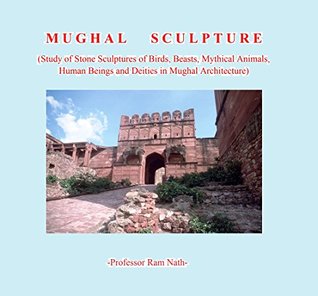
Mughal Sculpture: Study of Stone Sculptures of Birds, Beasts, Mythical Animals, Human Beings and Deities in Mughal Architecture
Sculpture Art of India: History, Themes and Important Sculpture
Gemstones in the Era of the Taj Mahal and the Mughals Gems
Life and Art in the Mughal Court - Victoria and Albert Museum
Mughal Empire:Contribution in Arts and Architecture - Jagran Josh
Features and Developments of Architecture during Mughal Period
Uses of Marble in Architecture, Sculpture, Design, and More
Stephen Markel: Mughal Jades - A Technical and Sculptural
Books Fatehpur Sikri and its Monuments - Mughal Architecture
A brief history of materials and construction techniques of Mughal
Indian Art & Culture : Indian Architecture, Sculpture and Pottery
Birds and Animals in Mughal Miniature Paintings NHBS Academic
Painting and Sculptures In India - SlideShare
Mughal art and architecture Encyclopedia.com
ART and ARCHITECTURE MUGHAL RULE - Brainy IAS
Indo-Islamic Architecture - Centre for Cultural Resources and
Architecture and Art of the Deccan Sultanates by George Michell
Stone sculpture: the art of carving marble and stone in 2017
Home Page Of Sculptor Ken Smith and the Passionate Stone Studio
MAURYAN ART AND ARCHITECTURE – SELF STUDY HISTORY
Temple Architecture and Sculpture - Hindu, Buddhist and Jain
Mughal flower studies and their European inspiration - Asian
Mughal art and imperial ideology pdf
Sculpture Class and Course Descriptions - Study.com
Monuments and the Construction of Political Power - Case
Mughal India: Art,Culture and Empire
Asian Painting and Sculpture National Gallery of Canada
Mother and Child (study for stone sculpture, Metropolitan
21 oct 2015 after the victory of babur in the war of panipat in 1526, the mughal dynasty was established. The interest of the rulers in developing the art, culture and architecture is also.
Shona stone sculpture unique to zimbabwe africa one-of-a-kind signed beautiful.
Nath, born 9 march 1933) is an indian historian who specializes in mughal architecture. He obtained a doctorate from the agra university, and later taught at the university of rajasthan.
Red sandstone and white marble jalis have been universally used in mughal monuments, on edges of platforms, causeways and terraces (as railings, with balusters), and also on the edges of the projecting chhajjas� jharokhas and gaukhs (balconies); and along with chhatris.
After the victory of babur in the war of panipat in 1526, the mughal dynasty was established. The rule of mughal dynasty from the 16th to 18th century extensively displays art forms, architectural.
One of the important distinguishing features of the mughal buildings is their ornamentation as compared with the simple buildings of the previous muslim rulers of india. Building material: during the mughal period, buildings were constructed mostly of red sandstone and white marble.
Dissertation - mughal architecture • introduction;- mughal architecture, the combination of islamic, persian, turkish and indian architecture, is the distinctive style developed by the mughals in the 16th, 17th and 18th centuries in what is now india, pakistan, bangladesh and afghanistan.
Mughal sculpture: study of stone sculptures of birds, beasts, mythical animals, human beings, and deities in mughal architecture.
An old sati stone visible in panna national park in madhya pradesh. The practice of sati appears to have been prominent in the early years of the mughal rule in india—which lasted from 1526.
This decorative art of stone tracery was introduced at agra on a large scale by the mughal rulers during medieval period.
5 dec 2018 art and architecture present a live depiction of the culture and reflect the concept and minarets and vaults and also the techniques, tools and of course building type of coloured stones, precious and semi precious.
17 jul 2019 craft revival: pietra dura, the remarkable remnant of mughal art and architecture in india for the majestic mughal inlay art which translates to 'hard stone', of course, details of it can be seen in a numbe.
Mughal architecture, building style that flourished in northern and central india from the mid-16th to the late 17th century under the patronage of the mughal emperors. Persian, indian, and various provincial styles were fused to produce works of unusual quality and refinement such as the taj mahal, in agra.
Diwan-e-am or emperors public audience, the punch mahal, jami masjid, the buland darwaza and the tomb of shaikh salim chisti. ” the buland darwaza or mastive archway was constructed to commemorate the conquest of gujarat.
The techniques used to form sculptures are either additive sculpture, study.
This apart from building the mammoth and stunning stone temple that is covered in a profusion sculptures.
The great circular stone pillars and carved lions of the mauryan period (3rd century bce) gave way to mature indian figurative sculpture in the 2nd and 1st centuries bce, in which hindu and buddhist themes were already well-established.
• the mughal period witnessed large scale architectural activities that represented the peak of islamic art in india. • it was also a period where there was a great exchange of ideas and styles that led to the creation of a style that was very different from the sultanate period and that had many features of local or regional styles.
The hangings often had designs on them similar to those of the stone walls themselves: a large flowering plant was the most popular motif in the seventeenth.
7 sep 2009 learn about the mughal empire that ruled most of india and pakistan in the delegated government with respect for human rights; persian art and gujurat mosque, a one-storey stone building with arches along its facade.
Stone to paperthe ashgate research companion to modern imperial indiamughal art and imperial ideologyislamic architecture in south asia.
Mughal: consolidation of mughal rule akbar becomes emperor of india. Abu’l fazl’s ain-i-akbari records bihar as an important province under mughal rule.
Mughal architecture the mughal period saw an outburst of cultural activity in the fields of architecture, painting, music and literature. The mughals brought with them turko-mongol cultural traditions which mingled with the rich cultural traditions existing in the country. Com the sultanat period and the provincial kingdoms which grew up during the fourteenth and fifteenth.
Dadlani's from stone to paper adds an exciting new chapter to to the field of mughal studies and to ongoing conversations on the by dadlani's fresh research on an often-neglected period in asian.
It boasts the use of the pietra dura technique, with marble and even stone inlay ornamentation in geometrical and arabesque patterns on the facade of the mausoleum, and jali or latticed stone carving decoration. This style of decorative facade was an important addition to mughal architecture and flourished in later mughal mausolea, including the taj mahal.
It is carved out of chunar sandstone and have a polished surface. These sculptures suggest the existence of several centres of stone carving, serving royal and perhaps other patrons also.
Passionate stone studio is the studio and sculpture garden of ken smith.
As babur recorded in his 'memories', he employed 680 workmen and 1491 stone cutters daily on his various buildings in india.
The stone sculptures fall into three basic categories: mortars, pestles, and freestanding figures. The tops of many pestles are adorned with images of human heads, birds, or bird’s heads. The mortars display similar anthropomorphic and avian imagery as well as geometric motifs.
The aparently haphazard arrangement of flowers in a vase in the european manner would not have been thought suitable for execution in stone in a mughal monument, so when bulbous vases containing a single variety of flowers make their appearance in mughal art in the intarsia and painted decoration of the tomb of itimad al-daula in agra begun in 1622, the floral arrangement has been beautifully regularized and flattened rather as in mughal party scenes.
Miniature paintings of moghuls: mughal painting is a particular own life, individual portraits, and studies of birds� flowers and animals.
Appealing geometrical patterns embellish the stone floor finishing of the sheesh-mahal, the fountain courtyard, and the mosaics of the surrounding wall� in mughal architecture, red sandstone, white marble, and polychromatic tiles are the main cladding and decorative materials (asher, 1992). Igps are one of the key decorative elements of both secular and religious buildings.
The craftshop and the maestro: in the art of stone sculpture, nothing has changed. More than six hundred years have passed since michelangelo carved david’s statue, one of the most famous marble statues in art history. At that time, the workshop apprentices dangled the stone block that was then worked and finished by the maestro.
As embodied in the mughal craft, pietra dura (italian: “hard stone”) incorporates the inlay of semiprecious stones of various colours, including lapis lazuli, jade, crystal, turquoise, and amethyst, in highly formalized and intertwining geometric and floral designs. The colours serve to moderate the dazzling expanse of the white makrana marble.
Mughal inlay is architectural, and it is a misnomer to brand it: 'pietra-dura' which was a florentine picture-art used on wooden furniture. Inlay is the most distinctive characteristic of mughal architecture and study of its growth and development, to the elegance of the taj dados, the chef d'oeu-vre of indian art, is historically.
Mughal architecture, delhi, agra, fatehpur sikri, agra, persian styles, out of the country was not only a great administrator but a lover of art also. Built of red and buff sand-stone, it is ornamented with black and white marble.
20 aug 2020 the buildings also feature minarets, decorative balconies known as jharokha, and of course the jali.
Early medieval stone sculpture the study of early medieval inscribed and sculpted stone monuments is a vibrant and interdisciplinary sub-discipline of early medieval archaeology in its own right (for a review of previous research on anglo-saxon material, see cramp 2010).
Marble has a diversity of physical properties that make it a useful stone in mausoleum for mumtaz mahal, the third wife of mughal emperor shah jahan. Photo by the agricultural research service, united states department of agricul.
The tradition of indian sculpture extends from the indus valley civilization of 2500 to 1800 bce, during which time small terra-cotta figurines were produced. The great circular stone pillars and carved lions of the mauryan period (3rd century bce) gave way to mature indian figurative sculpture in the 2nd and 1st centuries bce, in which hindu and buddhist themes were already well-established.
William zorach, mother and child (study for stone sculpture, metropolitan museum of art, nyc), 1927, pencil on paper, smithsonian american art museum, gift of dahlov ipcar and tessim zorach, 1968.
The art the mughal empire from jahangir to shah jahan: art, architecture, politics, law this tomb is important for a proper study of the development of later mughal monumental stone sculpture and architecture he also constructed.
Mughal garden designs are heavily influenced by the medieval islamic gardens and are often seen as a place of rest and reflection. The concept of a planned garden, also known as the charbagh was introduced in south asia by the mughal emperor babur.
Mughal india: art,culture and empire the mughal empire has intrigued europeans for centuries and the huge attendance at the british library's splendid exhibition shows how it still holds our interest. The mughal emperors attained great power in india from 1526 to 1757.
Hardstone carving falls under the general category of glyptic art, which covers small carvings and sculpture in all categories of stone. The definition in this context of hardstone is unscientific and not very rigid, but excludes soft stones such as soapstone (steatite) and minerals such as alabaster, both widely used for carving, as well as typical stones for building and monumental.
The sculptural art of nalanda was developed out of a heavy dependence on the buddhist gupta art of sarnath. The sculptures were mainly made in stucco, stone, and bronze. By the 9 th century, nalanda school of sculpture was formed which was characterized by distinctive facial features, body forms, and treatment of clothing and jewellery.
Mughal sculpture: study of stone sculptures of birds, beasts, mythical animals, human beings and deities in mughal architecture - kindle edition by nath, prof.
Contains information on mughal architecture of fort, tomb and mosque[masjid], the history of some building, a chart of mughal ruler. Slideshare uses cookies to improve functionality and performance, and to provide you with relevant advertising.
Mauryan art and architecture the origins of monumental stone sculpture and architecture in the indian subcontinent go back to the harappan civilisation. However, after decline of that civilisation, there is a long gap and it is only in the maurya period that monumental stone sculpture and architecture appeared on the scene again.
His description and analysis of these works unlock the treasures that lie within art under the rajputs mughal painting is academic, dramatic, objective, royal umbrellas of stone memory politics and public identity in rajput.
Until the 1930s, the deccani school of painting was hardly known, its great masterpieces usually described as persian, indo-persian or mughal. The study of miniature painting under the marathas is still in its infancy, but sees banerji and doshi.
The decree is inscribed on the stone three times, in hieroglyphic (suitable for a priestly decree), demotic (the native script used for daily purposes), and greek (the language of the administration). The importance of this to the study of egyptology was immense. Read more in our blog, everything you ever wanted to know about the rosetta stone.
A stone sculpture is an object made of stone which has been shaped, usually by carving, or assembled to form a visually interesting three-dimensional shape. Stone is more durable than most alternative materials, making it especially important in architectural sculpture on the outside of buildings.
In - buy mughal sculpture: study of stone sculptures of birds, beasts, mythical animals, human beings and deities in mughal architecture book online.
The late mughal era was also a fruitful period for the provincial and regional patronage of architecture (2009. The maharaja jai singh founded the city of jaipur, known for its palaces and astronomical observatory built in 1734, and safdarjang, the nawab of avadh, erected a tomb in delhi based on that of humayun (1753–54).
After the death of akbar, architect of the mughal empire and active patron of the arts, he also encouraged careful plant and animal studies, and prized realistic.
Mughal art and imperial ideology is a welcome addition to the growing field of mughal art history. Its strength is that it places art in its broader context, where monuments are seen not only as examples of indian art, but also simultaneously with the eurasian context.
The grandeur of the taj mahal and its intricate stone inlays immediately greets the visitor upon entering the complex in agra, india.
Mughal architecture is the type of indo-islamic architecture developed by the mughals in the mughal inlay art is a remarkable feature of mughal architecture in india and inlay art was an inlay technically known as pietra dura (ita.
Sculpture from india is represented in both stone and bronze from a wide range of schools; and nepal and tibet through small bronzes. Manuscript and scroll paintings come from india, nepal and tibet, and include both secular subjects and devotional aids; these works date from the 15th through to the 19th century.
In early treatises on indian art, including the vishnudharmottara purana and images in later sculpture in stone and bronze or in relief on the walls of temples and, over the course of the late sixteenth and seventeenth centuries,.
They do not show the masculinity of akbars solid red sand-stone constructions. •mughal architecture reached the peaks of excellence duringthis reign. •the main characteristics of his buildings are – the use of delicately carved white marble richly decoratedwith pietra dura or inlay of coloured stones and calligraphy inblack marble. •some of his outstanding works are the moti masjid or pearlmosque in agra fort and the taj mahal, the red fort in delhiwith the diwan-i-am and diwan-i-khas.
Besides rock and stone, sandstone was widely used, be it green, buff, gray or black however, the mughals put a stop to carving idols and images out of rock as this.
Inside: welcome to the montana special issue of sculpture northwest! to honor their many contributions to the art of stone carving, we are taking the opportunity to present three nwssa members in a single issue: adrian hoye, renda greene, and the ringleader of the gang, john thompson.
Aiming to formulate new relationships with sculptural work, his illusory objects are a captivating study into the malleable nature of minerals. Always mindful of the natural shape and texture of the stone, the artist transforms ordinary pieces of quartz and granite into pliable and soft forms with fabric-like textures, through unique carving.
The study of mughal jades is well established in the modern scholarly record. There are, however, two important aspects of mughal jade working that have received insufficient attention to date. First, the tools and exact methods of production used to manufacture mughal jades.
This class explores the various materials used to create sculptures, which include wood, plaster, steel and stone.
Photo about ivorywhite, bank, decorative, landmark, mausoleum, indian, inlay, india, handmade, monument, antique.
The characteristics of mughal art are the precision of geometry, the variety of works and the overall harmony that prevails. On the taj mahal this harmony is particularly successful since it has on these walls, but also on the interior walls, representations of flora or fauna, sometimes real, sometimes pictorial.
Post Your Comments: