Read First Nations Education Policy in Canada: Progress or Gridlock? - Jerry Paquette file in ePub
Related searches:
Diand provides funding for the following education programs and services in bc� band operated schools; tuition for on-reserve students attending public schools,.
Indigenous children in canada are more than twice as likely to live in poverty than non-indigenous children.
Indian brotherhood (now the assembly of first nations) in 1972, first nations education remained firmly under the control of governments and religious institutions. Education was wielded as one of the main weapons in a centuries-old war on first nations’ culture and language.
In the spring of 1999, a review of the 1987 native education policy was initiated. An extensive public consultation process involving over 5,000 participants laid the foundation for the development of the first nations, métis and inuit education policy framework.
Métis, non-status, and off-reserve first nations students are living in the community and attending provincial schools.
What do indigenous education policy frameworks reveal about commitments to reconciliation in canadian school systems? the question of how to achieve.
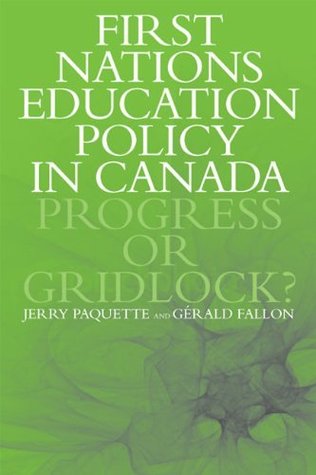
In first nations education policy in canada; progress or gridlock. The authors outline in stark terms how this bleak landscape has persisted for so long, drawing out lessons which they integrate.
Funds to help preserve and strengthen unique first nations and inuit cultures, traditions and languages. Find out about partnerships between the government of canada, first nations and provincial or territorial ministries of education.
Educational processes must provide first nations students with some knowledge of how their cultures interact with the rest of the complex, multicultural canadian.
Located in lawrence, kansas, haskell is emblematic of the significant transformations in official educational policy toward indigenous peoples.
79), enabled indigenous peoples to reclaim their educational responsibilities, to set a philosophy of education, and to implement it in their schools.
First nations education policy in canadahow can first nations schools in canada offer a curriculum that is at once authentically and deeply aboriginal while.
Results 1 - 15 of 45 this book reviews the actual situation in terms of métis, inuit, and first nations peoples in canada using the most recent data available.
First nations has now awarded $5,400,000 in 249 grants for emergency support through covid-19. Our impact over the last 40 years, first nations has had a tremendous impact across indian country through our work in many program areas.
Respecting the principle of first nations control of first nations education, first nations, and organizations designated by first nations, are responsible for managing and delivering education programs and services for students who are ordinarily living on reserve.
Aug 1, 2012 a commitment to work together by all levels of government can address the gap between first nations education outcomes and those of other.
The first nations regional education center - kahnawake campus opened in 2013 with a very important goal in mind: the educational, social, and economic betterment of our people.
Aboriginal and first nations education has been and continues to be torn by competing discourses surrounding aboriginal identity (both individual and collective), sovereignty, nationhood, and place within canada. Our principal focus here is the evolving policy context of first nations education in terms.
Auditor general, in 2000, stated that indian and northern affairs canada could not demonstrate that it reached the objective to assist first nations.
First nation, métis, or inuit students are referred to specifically where appropriate to the context.
However, the education of first nation children in canada is uneven at best, with no education legislation to provide assurances about the quality of education.
The government of saskatchewan is working in partnership with first nations and métis people and organizations toward improved education outcomes for first.
2 / myths and realities of first nations education fraserinstitute. Org first nations leaders and generations of prime ministers and elected officials who have tried to fix this complex national policy issue. However, with the federal government’s recent withdrawal of the first nations control of first nations education act, we are no closer.
Almost all federal officials working in indian and northern affairs canada will inform you that the federal government undertakes to fund education for on- reserve.
The new first nation, métis and inuit education policy framework is a key part of the strategy. The framework includes approaches for schools and school boards that will: boost aboriginal student achievement, help close the gap in achievement between aboriginal and non-aboriginal students, and� increase public confidence in publicly funded.
In first nations education policy in canada; progress or gridlock. The authors outline in stark terms how this bleak landscape has persisted for so long, drawing out lessons which they integrate into a vision to produce a truly representative and functioning system of education for first nations.
Well-designed education governance policies created in community and nation [2] terms are key to exercising jurisdiction over education in the territory. Strong first nation-contextualized life-long learning governing structures and functions is a key area of development in sovereignty affairs of any community wanting to achieve the ‘good.
The indian act (sections 114 to 122) is the current legislative authority that is being used by the federal government for the education of first nations status indians.
In funding the proposed first nations education entities, federal funding specifically allocated for education would be protected. In 1996, the federal government established a floor of 2 percent annual increases in on-reserve education funding as a mean to shelter these programs from cuts being implemented in the rest of the federal government.
First nations education policy in canada book description: offering a sorely needed fresh perspective on an issue vital to the community, first nations education policy in canada is grounds for critical reflection not only on education but on the future of aboriginal self-determination.
These goals are in support of the alberta education ministry’s outcomes for 2019-23: alberta’s students are successful; first nations, métis and inuit students in alberta are successful; alberta has excellent teachers, school leaders, and school authority leaders; alberta’s k-12 education system is well governed and managed.
First nations education policy in canada is a critical analysis of policy developments affecting first nations education since 1986 and a series of recommendations for future policy changes.
The first nations education doctoral program (fned) is centered in indigenous knowledge systems and draws upon indigenous teaching and learning.
The federal government since 1950 has maintained an education policy whereby the provincial education authorities are “responsible” for first nations.
First nations education policy in canada is a critical analysis of policy developments affecting first nations education since 1986 and a series of recommendations for future policy changes. Jerry paquette and gérald fallon challenge the fundamental assumptions about aboriginal education that have led to a balkanized and ineffective.
“quite simply,” he added, “first nations and aboriginal students are not succeeding in school. At best, one-third graduate across the board at the high school level.
First nations, métis and inuit education policy framework in 2002, the government of alberta has been committed to success for first nations, métis and inuit students.
5 national panel on first nation elementary and secondary education for students 1870's, federal education policy centred on the residential school system.
Unlike in our provincial education systems, there are no minimum legislated education standards for on-reserve first nations students.
Aandc establishes funding levels, policy and delivery requirements and has financial responsibility for the education of first nations students living on reserve.
The work in first nations education infrastructure is mandated through the afn resolution 34/2019, first nations education infrastructure review. First nations-in-assembly resolved to support policy or program changes in regards to first nations education infrastructure that reflect the true needs of our students.
First nations education systems served the same purpose as education systems today.
Through activism, education, policy analysis, and advocacy, nwac works to policies and programs towards improving first nations education in canada.
Education policies handbook aims to help first nations meet this need. Each year, indian and northern affairs canada (inac) provides funding on a national level for first nations post-secondary education. In british columbia, the population of each band determines the amount of post-secondary funding it receives.
Feb 2, 2020 the canadian charter of rights and freedoms, plus policies concerning child care, language rights, immigration, and indigenous people have.
Ontario's indigenous education strategy is supporting first nation, métis and inuit students to achieve their full potential. The ministry of education is committed to improving indigenous education in ontario, improving student achievement and well-being, and closing the achievement gap between indigenous students and all students.
First nations students have the inherent and treaty right to receive education that is in accordance with their culture, values, traditions, and languages – free from.
Post Your Comments: