Read Eating, Drinking and Dementia: A Pocket Guide About Nutrition - Dementia Services Development Centre file in ePub
Related searches:
Dementia Causes and Symptoms
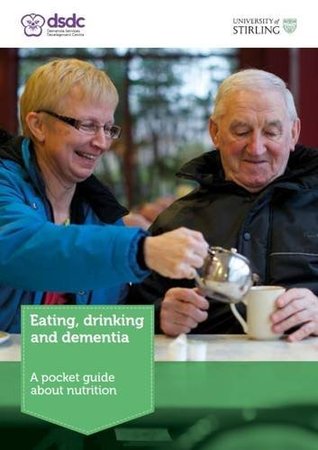
Eating, Drinking and Dementia: A Pocket Guide About Nutrition
Eat, Drink, and Be Healthy - Harvard Health
When Dementia Patients Stop Eating and Drinking Dementia
Tips for eating and drinking with dementia
Eating and drinking Dementia Services Development Centre
Alzheimer’s and Problems With Eating or Drinking: How You Can
Eating and Drinking with Dementia - YouTube
Eating and drinking Alzheimer's Society
Eating and Drinking - Dementia UK
Dementia Podcast - Eating and Drinking - YouTube
Chewing and Swallowing Problems Related to Alzheimer’s Disease
Eat well with dementia: Top products to assist eating and
Dementia and Overeating - My Mom is Eating Us Out Of House
Eating and drinking - End-of-life care and dementia - SCIE
Dementia care: Managing chewing and swallowing difficulties
Changes in eating habits and food preference Alzheimer's
Eating, Appetite Changes, and Weight Loss in Dementia
Eating and Drinking Alzheimer's Society
Dementia and Eating: Practical Solutions - Alzheimer's Store
Nutrition and dementia care: developing an evidence-based
Drinking, hydration and dementia Alzheimer's Society
The Eating and Drinking Well with Dementia Toolkit
Eating and Drinking well: supporting people living with dementia
Chewing and swallowing problems in dementia - SCIE
Supporting people with eating, drinking and swallowing
Eating and drinking with dementia - Airedale NHS Foundation Trust
Effectiveness of interventions to indirectly support food and
The impact of sensory change on eating and drinking
Eating, drinking and swallowing
Eating and Drinking Well: Supporting People Living with Dementia
Eating Behaviors and Dietary Changes in Patients With Dementia
How to get someone with dementia to drink and eat healthier
Approaches to Eating and Drinking with Acknowledged Risk: A
[Eating and drinking in patients with Alzheimer dementia. A
Eating and drinking in dementia - Whittington
Advice on eating, drinking and swallowing in dementia
Eating, drinking and swallowing - A guide for carers of
Eating and drinking in dementia - South Tees Hospitals NHS
Sopping assistance with eating and drinking in severe dementia
Effectiveness of interventions to directly support food and
Eating and Drinking Well with Dementia - a Guide for Care Staff
Voluntarily Stopping Eating and Drinking (VSED) Compassion
Unit CU1672 - Understand and meet the nutritional Bartleby
The Startling Link Between Sugar and Alzheimer's
Is this the end? Stopped eating and drinking. Dementia
Eating and drinking well with dementia: a guide for care staff. Welcome to this guide on eating and drinking for people living with dementia to help and support care staff. Good food, nutrition and hydration are important for everyone. We know that eating and drinking can become increasingly difficult as dementia progresses.
The extra fat in obese people releases cytokines, or inflammatory proteins that can also contribute to cognitive deterioration, roberts said.
As dementia progresses, an individual may experience increasing difficulties in eating and drinking safely. Evidence suggests that admission to hospital may exacerbate these problems. This article aims to familiarise readers with some of the issues associated with providing good nutritional care for a patient with dementia in hospital.
My mum stopped eating and drinking towards the end (although at the time i didn't realise it was the end, and tried everything to get her to eat). Eventually, she was only taking sips of water, and even these were making her sick.
Was that because he was confused or not hungry? all corinne hoped was that.
If you are supporting or caring for someone with dementia you may have noticed that mealtimes can be particularly challenging. This information is designed to help you understand how dementia affects someone with respect to eating and drinking and to help you manage some of these difficulties.
Back in march, during the bleakest days of the coronavirus pandemic here in new york, i often tried to buoy my spirits with thoughts about the holidays. How surely, by that point, i’d be able to travel again to visit my extended family.
It’s common for people with alzheimer’s disease to stop eating or drinking in the later stages. At any time, about 10% to 15% of people who have it don’t eat or drink enough and lose weight�.
If the individual reconsiders their decision and decides to resume eating or drinking after starting vsed, caregivers must honor that choice. This occasionally occurs when the person is ambivalent about controlling death, the process seems more arduous than expected, or cognitive changes undermine the ability to be self-determining.
Eating and drinking become difficult for people afflicted with dementia. We have therefore analysed the mealtime constellation in five cases of institutionalised people suffering from alzheimer using video in an open technique. The process of eating and drinking entailed intensive interaction between patients and their nurses.
By david zinczenkomen's health between swimming, sweating, and sipping, summer is a season of liquids. And while staying hydrated is important, how you do so can have a critical impact on your waistline.
If you are interested in learning about other practical tips to support better nutrition and hydration for someone with dementia, the dsdc has a produced a short book: 10 helpful hints to support eating and drinking for people with dementia as a part of their helpful hints for carers series which can be purchased at the john smith bookshop.
Background: risks and prevalence of malnutrition and dehydration are high in older people but even higher in older people with dementia. In the edwina (eating and drinking well in dementia) systematic review we aimed to assess effectiveness of interventions aiming to improve, maintain or facilitate food/drink intake indirectly, through food service or dining environment modification, education.
This training film is the outcome of a two year research project by bournemouth university, funded by the burdett trust for nursing.
Following a small fall she has gone downhill rapidly and as a consequence has moved to the dementia nursing floor of the home. For the past 8 weeks her eating and drinking has got a lot worse. She has gone from eating meals, snacks and chocolate to barely eating or drinking anything.
Find out why not eating before a procedure is part of the plan to avoid complications. Scott sundick, md, is a board-certified vascular and endovascular surgeon.
When a person is living with a dementia they may experience difficulties with eating and drinking. As dementia progresses, swallowing difficulties (sometimes called dysphagia) become more common. Eating, drinking and swallowing are complex processes and poor coordination of the swallow can result in food or drink entering the lungs.
As we get older, our mouths get drier and our sense of taste and smell can change.
The most prevalent form of alcohol-related dementia is a combination of two conditions: wernicke’s encephalopathy and korsakoff’s dementia. A person may develop one or the other of these conditions, but they often occur together, as they are both caused by a thiamine (b1) deficiency.
People with dementia often experience problems with eating and drinking and this can cause a challenge for maintaining nutrition and hydration. A person may experience weight loss and other problems including fatigue, higher risk of infection and less muscle strength. Some of the challenges that people with dementia experience are: lack of appetite.
Risks and prevalence of malnutrition and dehydration are high in older people but even higher in older people with dementia. In the edwina (eating and drinking well in dementia) systematic review we aimed to assess effectiveness of interventions aiming to improve, maintain or facilitate food/drink intake indirectly, through food service or dining environment modification, education, exercise.
Do you know a friend or family member who is experiencing a decline in their mental abilities? if this decline is interfering with their daily life, they could be experiencing dementia.
Korsakoff syndrome is most commonly caused by alcohol misuse, but certain other it is also common in people whose bodies do not absorb food properly.
People with dementia can experience problems with eating and drinking. Medical conditions such as depression, a urinary tract infection, constipation, pain due to problems with dentures, sore gums, or painful teeth maybe putting them off their food and drink.
Background patients with dysphagia may consider eating and drinking with acknowledged risk (edar) instead of artificial hydration/nutrition. Timely consideration of complex issues is required including dysphagia reversibility, risk/benefit discussions, patient wishes, their capacity and best interests. Objective this study aimed to establish if edar protocols improve care through a systematic.
Problems often experienced in dementia dementia affects the brain, altering memory and changing the way the brain sends and receives information. Ability to communicate can decline, as can mobility, dexterity and co-ordination. Here are some common eating and drinking problems in dementia.
Sopping assistance with eating and drinking in severe dementia since there is no effective therapy for alzheimer’s disease and other progressive dementias, about 50% will die at a stage of severe dementia, characterized by complete dependence in all activities of daily living, inability to talk, ambulate and recognize family members.
Of eating and what that brings to promote wellbeing can be lost as dementia progresses. Despite best efforts of many organisations and individuals, meeting these regulatory requirements to support people living with dementia to eat and drink enough can become even more challenging and will impact significantly on everyone who provides care.
Dementia is a collection of symptoms that can occur due to a variety of possible diseases. Dementia symptoms include impairments in thought, communication, and memory.
Frontotemporal degeneration is the most common cause of dementia in people under the eventually stopped eating and drinking; he became non- responsive ask about costs, insurance coverage and out-of-pocket expenses.
The handy side pocket functions as a holder for personal items, such as glasses, tissues, cell phone and more. One negative aspect of dementia eating habits can be triggered by certain medications — some patients suffer from an insatiable appetite.
6 dementia uk eating and drinking 7 weight gain or weight loss some of the eating and drinking issues associated with dementia can lead to weight loss. Pureed food is less nutritious, and people with dementia are at risk of malnutrition. In this instance, you could try: • adding skimmed milk powder to whatever you are serving.
Walter willett has written eat, drink, and be healthy as an alternative — what can we help you find? enter search terms and tap the search button.
The concern here is that someone does not eat to the point of discomfort or gain a lot weight due to overeating. It is thought these types of food provide comfort and also decrease depression. It is important to try and encourage a nutritionally balanced diet.
As per research, following are the four main reasons dementia patients stop eating and drinking as their disease progresses. Dementia affects brain areas associated with swallowing inability to swallow food is termed as dysphagia.
Alzheimer’s, dementia, and other cognitive impairments can make eating and drinking a challenge for older adults. Coordination issues, hand tremors, or confusion caused by these conditions can make holding utensils or getting food into the mouth nearly impossible.
In this episode, trinity's admiral nurse talks about eating and drinking.
This leaflet explains what this may look like, and ways in which others can support them to eat and drink. What can happen? people living with dementia may: forget to eat or drink, or have difficulty connecting the feeling of hunger with eating have difficulty preparing food or drink.
Edwina (eating and drinking well in dementia) systematic review we aimed to assess effectiveness of interventions to directly improve, maintain or facilitate oral food and drink intake, nutrition and hydration status, in people with cognitive impairment or dementia (across all settings, levels of care and support, types and degrees ofdementia).
Do you struggle to get someone with dementia to take medication? and wait patiently for them to put their own pill into their mouth, then say “big drink of water� for some people, making medication part of their after-meal routine.
In the case of severe-stage dementia sufferers, lost appetite/interest in food is a response to the body shutting down due to the progression of the illness. Some tactics to try when a loved one with dementia refuses to eat include: tips and advice: eating and dementia. Assess whether part of their problem is related to their vision.
Sometimes people with dementia make food choices that don’t match their usual beliefs or preferences. For example, a person who has been a lifelong vegetarian may want to eat meat for reasons including: their preference has changed; they remember that they used to eat meat (before they became vegetarian) they have forgotten they don’t eat meat.
Study links artificially sweetened drinks with higher risk of stroke and dementia.
There are many reasons why a person with dementia may lose interest in or turn down, food, and drink. Depression: a common sign of depression is a loss of appetite, and depression is common in people with dementia. If your loved one has depression, then their appetite should improve if their depression is treated appropriately.
Caring for someone with dementia can be challenging at times, with different problems occurring as the disease progresses. Various difficulties associated with eating can arise, and if your loved one has issues with chewing food or swallowing, mealtimes can become a challenge.
Ensuring that someone with dementia is able to eat and drink is vital if they’re to stay healthy. However, dementia can cause challenges in this area, from forgetting to eat or eating too slowly, to visual problems making it difficult to see the food, a decrease in dexterity and co-ordination and problems with chewing and swallowing.
When seniors enter the later stages of dementia, they may have difficulty eating and drinking. There are several reasons seniors start to refuse food as the disease progresses, ranging from loss of appetite to physiological changes. Here are a few reasons seniors with dementia may refuse to eat and drink.
Dementia should be conceptualized as a multifactorial process. 1 a wide range of behavioral changes, sometimes bizarre, have been reported in patients with dementia, including delusions, 2 misidentification syndromes, 3 mood changes, 4 wandering, 5 aggressive behavior, 6 and sleep disorders. 7 among these changes are reported alterations in eating habits.
Eating and drinking it is common for conversations about dementia to focus on the neurological symptoms of the disease, like forgetfulness or changes in communication.
Nashville’s “it city” status doesn’t seem to be going away any time soon, but that doesn’t mean the tennessee capital is resting on its laurels. Plans are in the works for a series of new boutique hotels downtown.
People with dementia can have physical and sensory difficulties that can affect eating and drinking. This page has information about common problems and tips for managing them.
Apr 15, 2018 families' out-of-pocket costs for a patient with dementia than the cost for such as help with eating and dressing, and constant supervision.
Someone with early stage dementia to overcome problems with eating and drinking. If you have any further questions, please speak to a health care professional caring for your relative/ friend. Many people with dementia have problems with eating and drinking.
Relationships needed to be assessed to suit the person with dementia. This aspect should be monitored and adapted according to the stage of dementia, mood, and whether the person with dementia prefers to eat and drink on their own and/or with others:.
The society also produces a factsheet on eating and drinking (511). Eating and drinking well: supporting people living with dementia a team from bournemouth university has developed a 26-minute training film aimed at nurses and care home staff, based on findings from a major study in this area.
These cognitive aspects are central to alzheimer's and other kinds of dementia. However, other challenges in caring for the person with dementia include those related to activities of daily functioning, such as eating, drinking, bathing, and dressing. This includes difficulties in eating and appetite changes, which often result in unintended.
Nice guideline ng31 (2015) care of dying adults in the last days of life. Dementia end of life care: community of practice (cop) a joint venture between dementia uk and hospice uk that brings together practitioners and clinical leaders.
Eating, drinking and swallowing - a guide for carers of people living with a dementia (english and translations) monday, 03 april 2017 directorate of nursing and allied health professions.
1 - describe how cognitive functional and emotional changes associated with dementia can affect eating drinking and nutrition: cognitive: if cognitive ability is impaired a patient could forget to eat, or think they aren’t being fed at all as well as forgetting to drink etc, they may also leave cookers or other hot things on as they have.
Coughing when eating or drinking these difficulties put people with dementia at risk of dysphagia, dehydration, weight loss (malnutrition), and severe lung infections, (aspiration pneumonia - when food or drink particles enter the lungs causing an infection).
Coppola and other dementia-care experts stress the value of caregivers not only understanding the degenerative nature of dementia but also recognizing that dementia varies from person to person. In the early stages of ad, challenges may be limited to the person skipping meals or forgetting to eat or forgetting that he or she has eaten.
A person living with dementia might not be able to tell if something is too hot to eat or drink. Always test the temperature of foods and beverages before serving. The person may be unable to decide among the foods on his or her plate.
Pushing vsed [voluntarily stopping eating and drinking] as a means of death and/or qualifying for assisted suicide/euthanasia is bad enough. But now activists have started a campaign to force caregivers to starve dementia patients — even when they willingly eat and drink.
Buy eating, drinking and dementia: a pocket guide about nutrition by dementia services development centre (isbn: 9781908063304) from amazon's book store.
Ment, eating assistance and/or supporting the social element of eating and drinking) and some aim to affect food/drink intake or experience indirectly (altering dining environment or food service, providing education or training for people with dementia or their care-givers, behavioural interventions, exercise programs, and com-.
A person with dementia may not eat or drink for these reasons, even when they feel hungry. Respecting the preferences of a person with dementia will support them to eat and drink well. Similarly, eating and drinking can be made more difficult if a person’s routine and diet are changed.
Post Your Comments: